The best electric toothbrushes for seniors and people with arthritis
For most older adults, the Oral-B Pro 1000 (about $50): one button, a chunky handle and a sensor that stops the pulsing when you press too hard. Lighter in the hand, the Sonicare 4100. For caregivers brushing someone else, a sonic brush with a small head is easier.
Written by Dev Marlowe. Last checked and updated .
Amazon links on this page are affiliate links: if you buy, we may get a small cut, and your price stays the same. How this site is funded.
Our three, in ten seconds
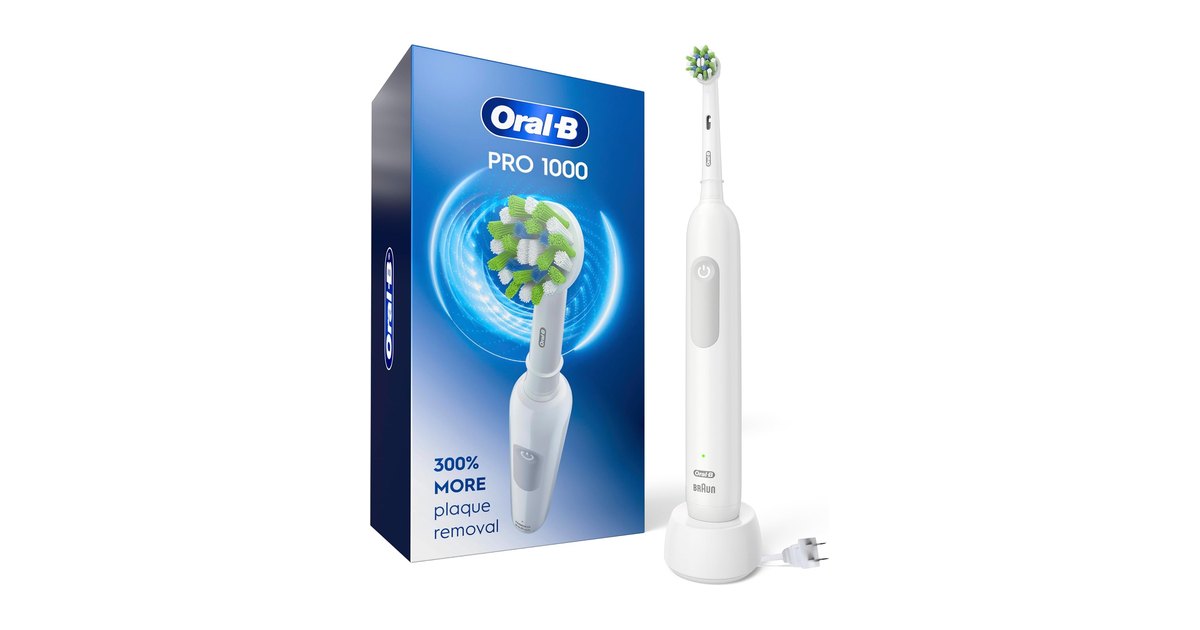 Best overall for seniorsOral-B Pro 1000A thick, rubber-gripped handle, one large button, one main mode, and a round head that cleans one tooth at a time…about $50 on Oct 30, 2026Today’s price
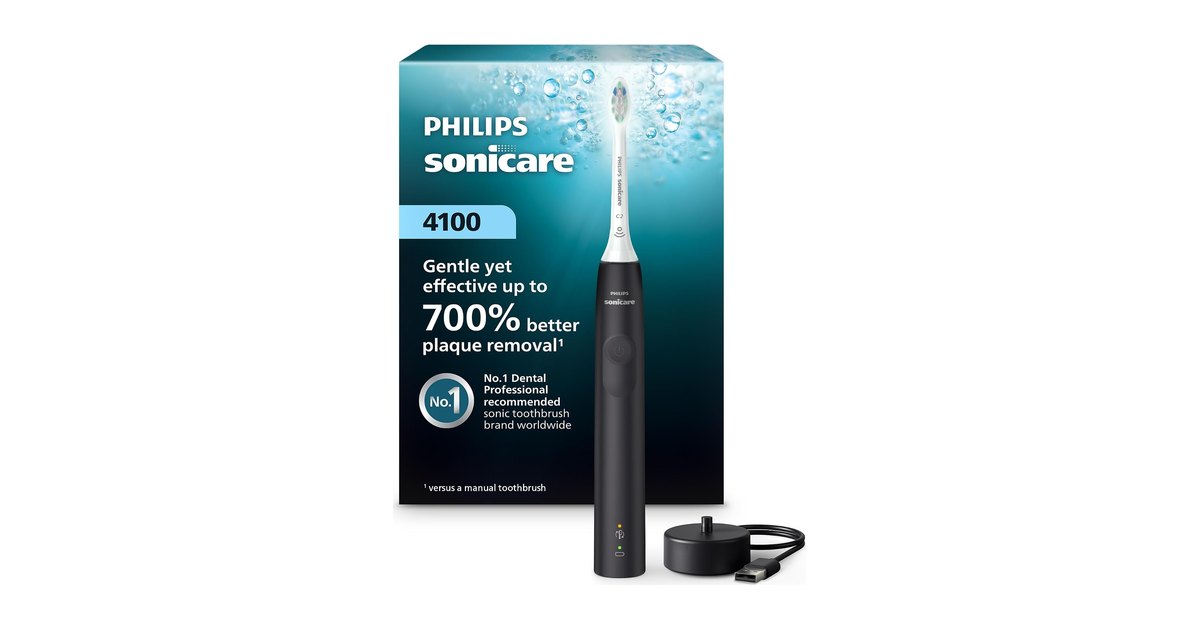 Best lightweight optionPhilips Sonicare 4100Lighter and slimmer than the Pro 1000, with a battery that lasts up to two weeks, so it can live on the charger…about $50 on Oct 30, 2026Today’s price
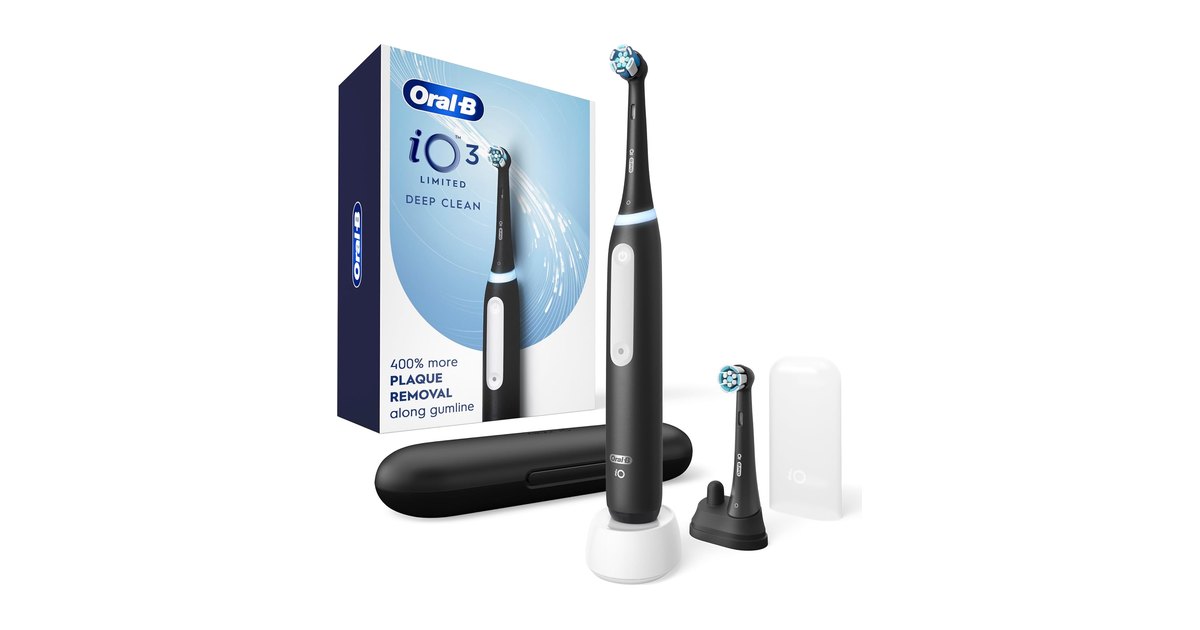 Best for visual feedbackOral-B iO Series 3The light ring around the neck glows green or red depending on pressure, and it’s large enough to see without glasses.about $110 on Oct 30, 2026Today’s price
Jump to a section
A powered brush is one of the most useful things you can give someone whose hands don’t work the way they used to. Arthritis, a tremor, weaker grip after a stroke or just stiff fingers make the small, controlled movements of manual brushing hard. An electric brush does those movements for you; you only have to hold it in the right place.
That shifts what matters. Raw cleaning power is fine on every pick here. What we looked at instead: how chunky and grippy the handle is, how heavy it feels, whether there’s one obvious button, whether the battery lasts long enough that a forgotten charge isn’t a problem, and whether a caregiver could use it on someone else.
| Brush | Picked for | Type | Price on Oct 30, 2026 | Buy |
|---|---|---|---|---|
| Oral-B Pro 1000 | Best overall for seniors | Oscillating-rotating with pulsation | about $50 | Price |
| Philips Sonicare 4100 | Best lightweight option | Sonic (31,000 movements a minute) | about $50 | Price |
| Oral-B iO Series 3 | Best for visual feedback | Oscillating-rotating with magnetic iO drive | about $110 | Price |
| Oral-B iO Series 2 | Simplest to live with | Round head, iO entry motor | about $60 | Price |
| Aquasonic Black Series | Best low-cost option | Sonic (40,000 vibrations a minute) | about $40 | Price |
Best overall for seniors
Oral-B Pro 1000
- Cleaning actionOscillating-rotating with pulsation
- Pressure warningYes: pulsing stops when you press too hard (no light)
- BatteryAbout 1 to 2 weeks
- HeadsClassic Oral-B round heads (CrossAction, Sensitive, 3D White)
- Amazon price, Oct 30, 2026about $50
A thick, rubber-gripped handle, one large button, one main mode, and a round head that cleans one tooth at a time without much steering. It also stops pulsing if you press too hard. It’s the brush we’d buy a parent first. The one drawback is noise, which some people with hearing aids find unpleasant; if that’s a problem, the iO3 below is much quieter.
Best lightweight option
Philips Sonicare 4100
- Cleaning actionSonic (31,000 movements a minute)
- Pressure warningYes: the handle pulses
- BatteryUp to 14 days
- HeadsC2 Optimal Plaque Control (click-on)
- Amazon price, Oct 30, 2026about $50
Lighter and slimmer than the Pro 1000, with a battery that lasts up to two weeks, so it can live on the charger without anyone worrying about it. Two intensity settings, both reached through the same single button. A slimmer handle is easier for some hands and harder for others; if gripping a thin object hurts, choose the Oral-B.
Best for visual feedback
Oral-B iO Series 3
- Cleaning actionOscillating-rotating with magnetic iO drive
- Pressure warningSmart sensor: red when too hard, green when right
- BatteryAbout 2 weeks
- HeadsiO heads (Ultimate Clean, Gentle Care, Radiant White)
- Amazon price, Oct 30, 2026about $110
The light ring around the neck glows green or red depending on pressure, and it’s large enough to see without glasses. That’s helpful for people who can’t feel pressure well because of reduced sensation in the hands. The iO motor is quieter and smoother than older Oral-B models.
Simplest to live with
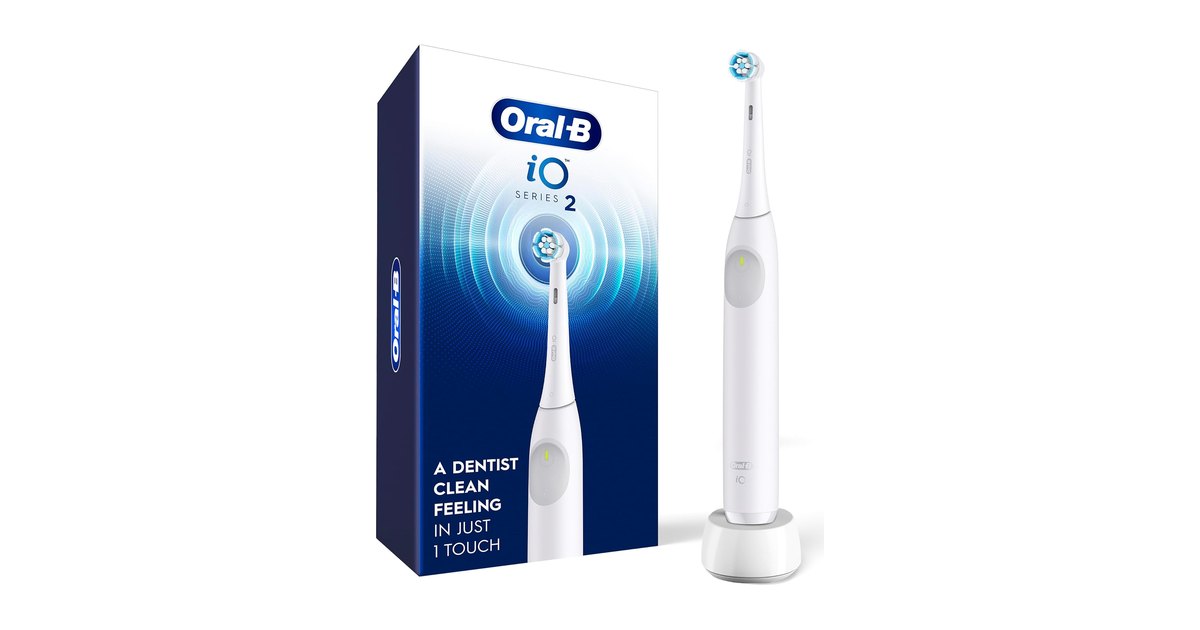
Oral-B iO Series 2
- Cleaning actionRound head, iO entry motor
- Pressure warningAutomatic: slows the brush and shows red when you press too hard
- BatteryOral-B says long-lasting; no day figure on the listing
- HeadsiO heads (Gentle Care, Ultimate Clean)
- Amazon price, Oct 30, 2026about $60
One button, a gentle motion and a brush that slows itself down if you press too hard, with no lights to interpret. It also has the longest battery life in the iO range, so it can go a long time between charges. A good choice for someone who just wants it to work.
Best low-cost option
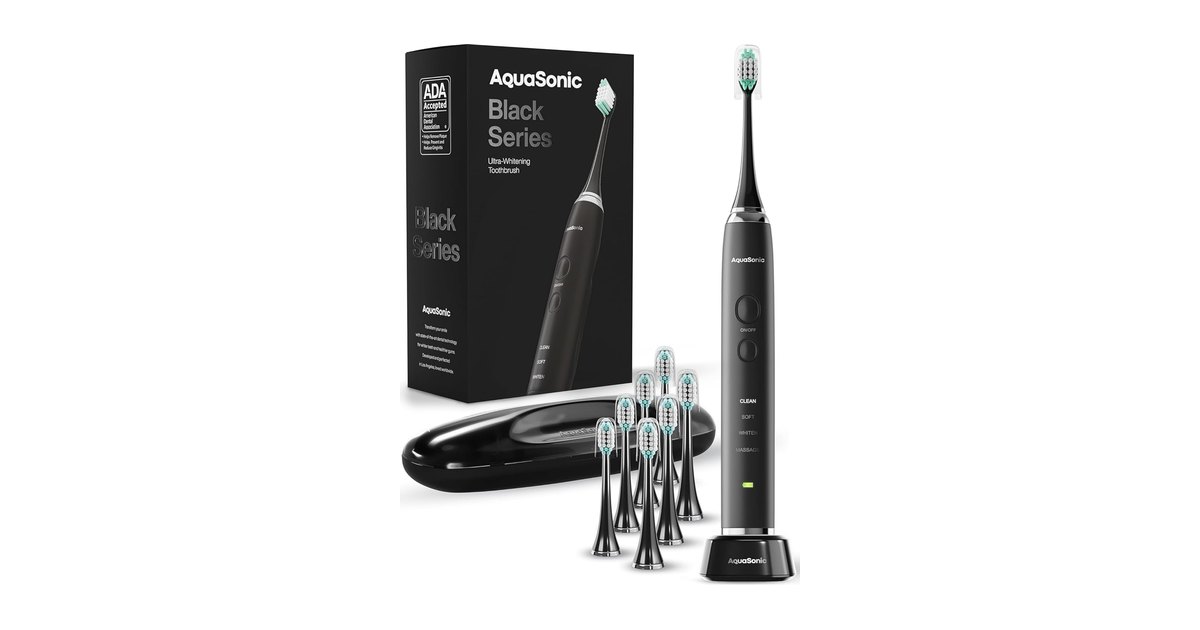
Aquasonic Black Series
- Cleaning actionSonic (40,000 vibrations a minute)
- Pressure warningNo
- BatteryAbout 4 weeks
- HeadsAquasonic DuPont heads (8 in the box)
- Amazon price, Oct 30, 2026about $40
About $40, and the wireless base means there’s no small plug to line up: you just stand the brush on it. It’s light, has four modes, eight heads and the ADA Seal. There’s no pressure sensor, so it suits gentle brushers, or a parent whose carer helps with brushing.
Small changes that help
- Build up the handle. If even a chunky handle is hard to hold, a foam tube from a pharmacy or an occupational therapy supplier slides over it and makes it easier to grip.
- Keep the charger where the brush lives. A brush that’s always on its stand is always charged.
- Sit down to brush. A chair at the sink takes balance out of the equation and lets you rest an elbow on the counter.
- Use the timer. Two minutes is longer than most people think, and the pause every 30 seconds is a cue to move to the next quarter of the mouth.
For caregivers brushing someone else
Stand slightly behind and to the side, the way a dental hygienist works, so you can see and support the head. A small round Oral-B head is easier to place on individual teeth than a long sonic head. Start the brush only once it’s in the mouth to avoid splatter, and keep sessions short and calm.
Dentures and partials
Don’t use an electric brush on dentures. The bristles and toothpaste can scratch the acrylic, and scratches collect stains and bacteria. Take dentures out and clean them with a denture brush and a denture cleaner, then brush any natural teeth and the gums gently with the electric brush.
Charging without fuss
Stands that the brush simply sits on are easiest for people with limited dexterity or memory: the brush lives on the charger and is always ready. The Pro 1000, iO models and most Sonicares work that way. Brushes that charge through a cable or a case add steps; skip them unless travel matters. A long battery helps too, so a missed night on the charger doesn’t matter.
Making any brush easier to use
A wide foam grip or a bicycle-handle sleeve makes a slim handle easier to hold. Sitting down to brush, with elbows supported on the sink, helps with tremor. A brush with one button and one mode avoids the frustration of landing in the wrong setting. For someone with dementia, keeping the same brush, the same place and the same time each day matters more than features.
Will it wake the person still asleep?
A classic geared Oral-B is the loudest brush here and it rattles through a wall. An iO or any sonic handle is a hum you can brush next to someone with.
What we checkedThe iO range swapped gears for a magnetic drive, which is the single biggest change in noise between Oral-B handles.
Our pick for thisPhilips Sonicare 5900Price
How long before the battery dies, and can it be replaced?
Three to five years is the normal range, and on almost every sealed handle the battery is the end of the brush. Nobody sells you a replacement cell, so treat the warranty length as a hint about how much the brand expects it to last.
What we checkedWarranties on the handles here are two years at Oral-B and Philips. Laifen quotes up to 70 days per charge, which means far fewer charge cycles over the same years.
Our pick for thisLaifen Wave ProPrice
Asked and answered
The Oral-B Pro 1000 or iO2: one button, a simple mode and a round head that’s easy to place. The Pro 1000’s thicker handle suits arthritic hands.
Are electric toothbrushes good for people with arthritis?
Yes. They do the brushing motion for you, so you only need to hold and guide the brush. A chunky handle and light weight make the biggest difference.
Which electric toothbrush is best for someone with dementia?
A simple one-button model with a familiar shape and a quiet motor tends to be least upsetting. Many caregivers start with a soft manual brush and introduce an electric one gradually.
How do I make a toothbrush handle easier to grip?
Slide a foam grip tube over the handle, or ask an occupational therapist about adaptive grips.
Is a heavier or lighter brush better for arthritis?
Usually a slightly thicker, lighter handle. Thickness helps grip; lightness reduces strain. Add a foam grip to any slim handle.