Oral-B Pro 1000 vs Philips Sonicare 4100
The Oral-B Pro 1000 if you want the most thorough clean per dollar and like a small round head; the Sonicare 4100 if you want gentler, quieter brushing and up to two weeks per charge. Both were about $50 on Amazon US on October 30, 2026.
Written by Nora Lindqvist. Last checked and updated .
Amazon links on this page are affiliate links: if you buy, we may get a small cut, and your price stays the same. How this site is funded.
Which to buy
Both are excellent at about $50. Healthy gums: Pro 1000. Sensitive mouth: Sonicare 4100.
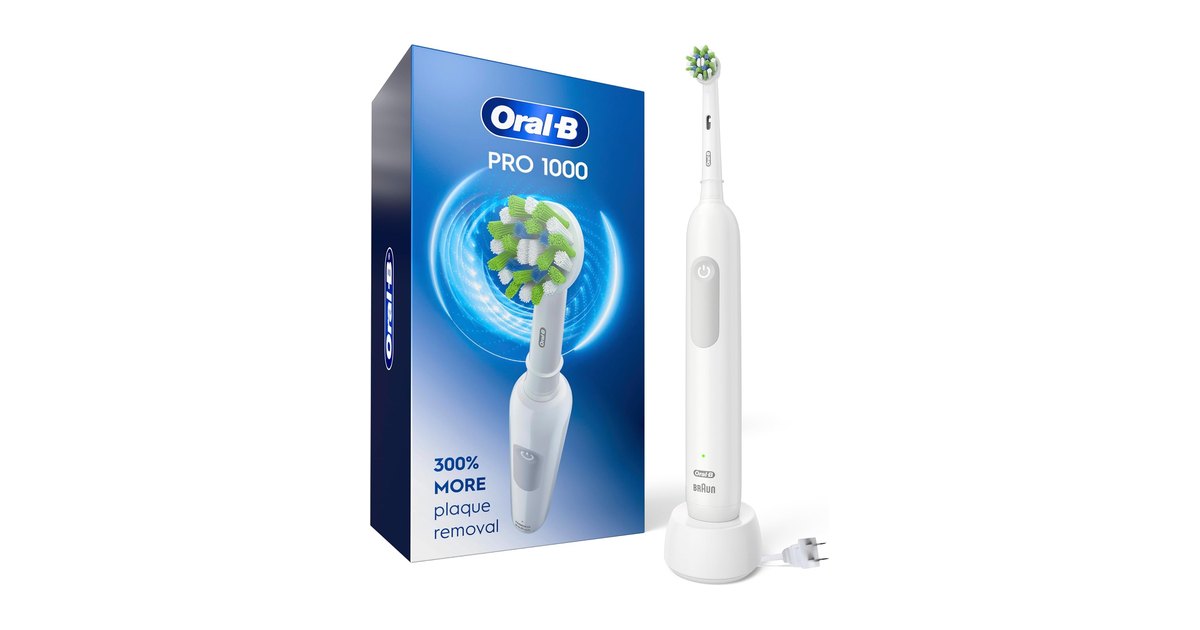
Choose the Pro 1000 if
you build up tartar, like cleaning tooth by tooth, and want heads you can find in any supermarket.
about $50 on Amazon US, Oct 30, 2026
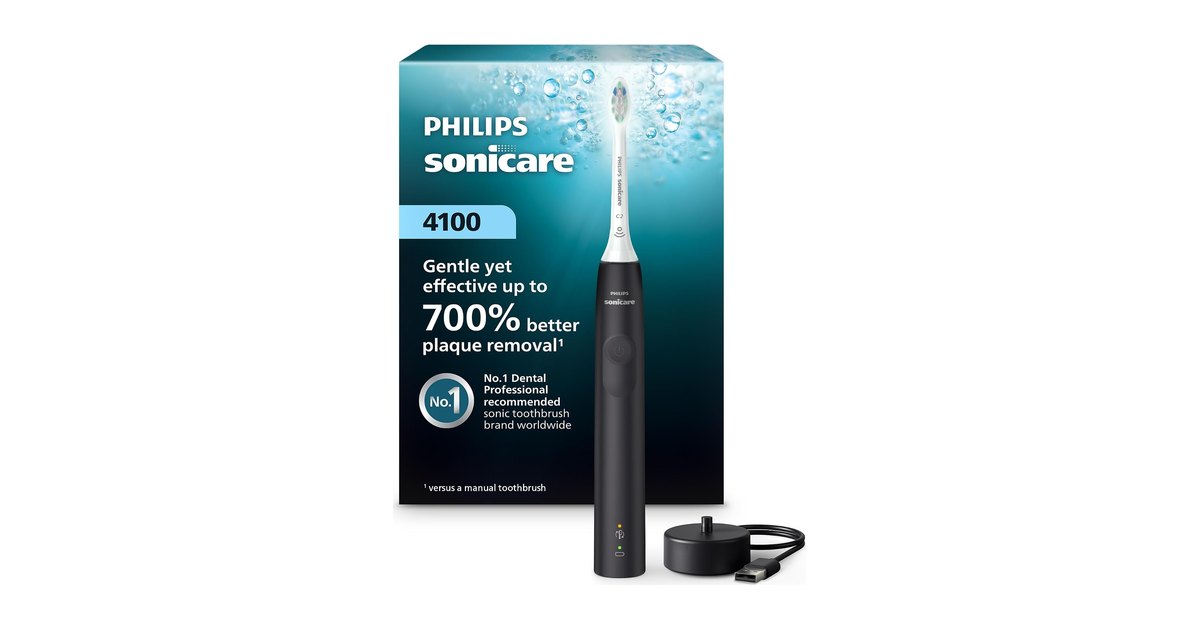
Choose the Sonicare 4100 if
your teeth or gums are sensitive, a spinning brush feels harsh, or you want two weeks between charges.
about $50 on Amazon US, Oct 30, 2026
Jump to a section
These two have sat at the top of budget lists for years, and at the same price they cover most people’s needs. The question is which feel you’ll put up with every morning.
| Pro 1000 | Sonicare 4100 | |
|---|---|---|
| Cleaning action | Oscillating-rotating with pulsation | Sonic (31,000 movements a minute) |
| Brushing modes | 3 (Daily Clean, Sensitive, Whitening on the US listing) | 1 |
| Intensity levels | 1 | 3 on the 2026 HX4031; older HX3681 varies |
| Pressure sensor | Yes: pulsing stops when you press too hard (no light) | Yes: the handle pulses |
| Timer | 2-minute timer, 30-second pacer | SmarTimer, 30-second QuadPacer, EasyStart |
| Battery (brand figure) | About 1 to 2 weeks | Up to 14 days |
| Charging | Inductive stand | Charging stand (USB, no plug) |
| Travel case | No (single pack) | No |
| App | No | No |
| ADA Seal | Yes (CrossAction head) | Yes |
| Brush heads | Classic Oral-B round heads (CrossAction, Sensitive, 3D White) | C2 Optimal Plaque Control (click-on) |
| Warranty | 2 years | 2 years |
| Status | Current; on sale since 2010 | Current; refreshed as HX4031 in July 2026 |
| Model number (US listing) | Check current listing | HX3681/24 |
| On Amazon US since | July 2010 | December 2021 |
| Amazon US check | Sold by Amazon.com (Oct 30, 2026) | Sold by Amazon.com (Oct 30, 2026) |
| Amazon price (Oct 30, 2026) | about $50 | about $50 |
| Est. 3-year cost | $187 | $163 |
| Buy | Price | Price |
Where the Pro 1000 wins
- Cleaning style. Oscillating-rotating with pulsation, the style with the stronger clinical record for plaque and gingivitis.
- Running cost. Classic Oral-B heads are cheaper and sold everywhere.
- Small round head. Easier to get behind the back molars.
Where the Sonicare 4100 wins
- Comfort. Gentler motion, better for sensitive teeth and gums.
- Noise. Much quieter than the Pro 1000’s geared motor.
- Battery. Up to 14 days, versus about a week or two.
- Pressure warning you can feel. The handle pulses; the Pro 1000 just stops pulsing, which is easier to miss.
- Head reminders. BrushSync tells you when to replace genuine heads.
Handle Replacement heads
Which to buy
Pick the Pro 1000 if you want the most cleaning per dollar, you’re buying for several people, or you tend to build up tartar.
Pick the Sonicare 4100 if you have sensitive teeth or receding gums, share a bathroom with a light sleeper, or hate charging.
Cleaning action in plain terms
The Pro 1000’s small round head cups each tooth and moves back and forth while pulsing toward it. You guide it slowly from tooth to tooth and let it do the work. The 4100’s head is shaped like a manual brush and vibrates side to side very fast, 31,000 bristle movements a minute by Philips’ figure; you angle it toward the gumline and glide. Trials comparing the two styles tend to give oscillating-rotating brushes a small edge on plaque, while many people with sensitivity find sonic easier to live with.
Pressure sensors compared
Both have one, and both are quiet about it. The Pro 1000 stops pulsing when you press too hard. The 4100’s handle vibrates to tell you to ease off; the 2026 version describes it as an optic sensor. Neither has a light. If you need something you can see, the iO3 or the Sonicare 5900 and 7300 do that.
Battery and charging
The 4100 is rated at up to 14 days and charges from a USB stand with no plug in the box. The Pro 1000 gives about one to two weeks on its inductive stand, which plugs into the wall. On a short trip either can go without its charger; on a long one, both need it, and neither comes with a case.
Running costs over three years
The 4100 uses C2 click-on heads at about $10.26 each on Amazon US; three years come to about $165. The Pro 1000 uses classic round heads; Amazon only showed a two-pack at about $12.49 a head, which puts three years near $190, but store multipacks often cost much less per head. Call it a draw unless you shop around for Oral-B heads, in which case the Pro 1000 wins.
Make sure you get the right 4100
Amazon sells the 2021 version (HX3681) next to the July 2026 refresh (HX4031) at the same price. The newer one adds High, Medium and Low settings and a gentler EasyStart ramp. Pick the HX4031 if you see it.
Neither has a travel case. Does that matter?
Only if you travel often. A cheap third-party case solves it. If you travel a lot, look at our travel picks instead.
Which one fits you
You build up tartar or plaque quickly: the Pro 1000. Oscillating heads with pulsation have the edge in clinical comparisons.
Your gums bleed or your teeth are sensitive: the 4100, ideally the July 2026 HX4031 with three intensities.
You hate noise: the 4100. The Pro 1000 is one of the louder brushes around.
You’re buying heads for a household: closer than you’d think. On Amazon US on October 30, genuine C2 heads were about $10.26 each, while the only genuine Oral-B round-head pack was a two-pack at about $12.50. In stores, big Oral-B multipacks usually win.
Oral-B or Sonicare? They feel nothing alike.
They are two different jobs. Oral-B polishes one tooth at a time with a small spinning head. Sonicare vibrates a normal-shaped head and cleans more by sweep than by scrub. Pick the one you will still be using in March.
What we checkedTrials give the oscillating style a small edge on plaque. Owner reviews give Sonicare the edge on comfort and noise. Both beat a manual brush.
Our pick for thisOral-B iO Series 3Price
Will it wake the person still asleep?
A classic geared Oral-B is the loudest brush here and it rattles through a wall. An iO or any sonic handle is a hum you can brush next to someone with.
What we checkedThe iO range swapped gears for a magnetic drive, which is the single biggest change in noise between Oral-B handles.
Our pick for thisPhilips Sonicare 5900Price
The questions that come up
The Pro 1000 is slightly more thorough and cheaper to run; the Sonicare 4100 is gentler, quieter and lasts longer per charge.
Which has the better pressure sensor?
The Sonicare 4100’s pulsing handle is easier to notice than the Pro 1000’s pause in pulsation.
Are the heads interchangeable?
No. Oral-B and Sonicare heads only fit their own brands.
Which is louder?
The Pro 1000. The 4100 hums; the Pro 1000 rattles a little. Neither is loud enough to bother anyone in the next room.
Which is better for braces?
Both work. The Pro 1000’s round head gets around brackets well; the 4100 is gentler on irritated gums. Our braces guide covers heads and technique.