Jump to a section
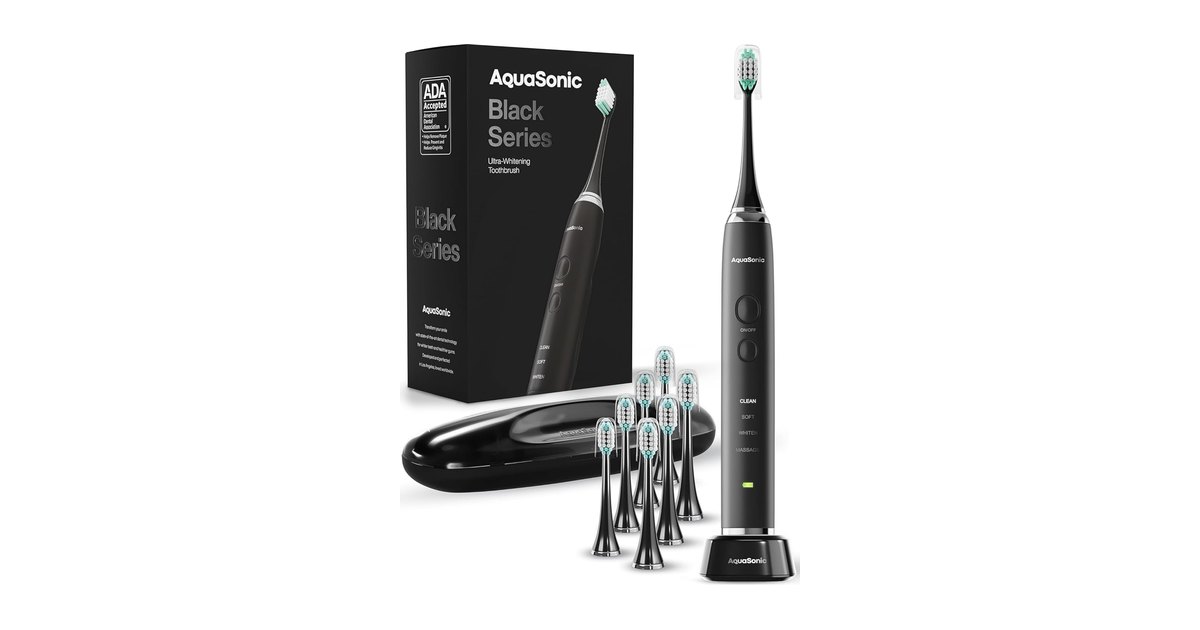
The 4100 is what most people picture as a basic Sonicare: slim handle, one button, a stand, and a long head that buzzes rather than spins. It has been one of the most recommended budget brushes for years, and in July 2026 Philips refreshed it as model HX4031, with three intensity settings and an EasyStart ramp over your first 14 brushes. Amazon sells both versions at about $50.
How sonic cleaning feels
The head sweeps side to side over a very short distance, very fast. You hold it at the gumline at a slight angle and slide slowly along your teeth. The first few sessions tickle, sometimes enough to make people laugh. By the end of the first week most people stop noticing. Compared with an Oral-B, it’s quieter and gentler, and the longer head covers more than one tooth at a time.
The features that matter
- Pressure sensor. The handle pulses to warn you when you press too hard. Subtle but effective.
- Two intensities. High and low, on the same button. Low is very gentle.
- SmarTimer and QuadPacer. Two minutes, with a nudge every 30 seconds.
- BrushSync reminders. With genuine Philips heads, a light reminds you when it’s time to replace the head.
- Battery. Philips rates it at up to 14 days, and owners commonly report about that.
| Cleaning action | Sonic (31,000 movements a minute) |
|---|---|
| Brushing modes | 1 |
| Intensity levels | 3 on the 2026 HX4031; older HX3681 varies |
| Pressure sensor | Yes: the handle pulses |
| Timer | SmarTimer, 30-second QuadPacer, EasyStart |
| Battery (brand figure) | Up to 14 days |
| Charging | Charging stand (USB, no plug) |
| Travel case | No |
| App | No |
| ADA Seal | Yes |
| Brush heads | C2 Optimal Plaque Control (click-on) |
| Warranty | 2 years |
| Status | Current; refreshed as HX4031 in July 2026 |
| Model number (US listing) | HX3681/24 |
| On Amazon US since | December 2021 |
| Amazon US check | Sold by Amazon.com (Oct 30, 2026) |
What it doesn’t have
One cleaning mode, no travel case and no app. You won’t miss the app. You might miss a case if you travel often.
Heads and running cost
Sonicare click-on heads fit all current adult handles. C2 Optimal Plaque Control is the standard, W2 Optimal White adds stain polishing. Genuine Sonicare heads cost more than classic Oral-B heads, typically around $8 to $10 each in multipacks, so the 4100’s total cost over three years is higher than a Pro 1000’s.
Handle Replacement heads
The 2026 question
In December 2025 Philips put its 2026 range on Amazon, led by the 5900 and 7300. The 4100 keeps the older drivetrain. If you want the newer range for sensitive gums, the 5900 is the step up; if you want a travel case and extra heads for a little more, look at the 5300.
Two 4100s on the same shelf
Amazon US sells two brushes called Sonicare 4100 at the same price. The 2021 version (HX3681, for example HX3681/24 in black) has one intensity. The July 2026 refresh (HX4031/71 in white and HX4031/72 in black, first listed July 3, 2026) adds High, Medium and Low settings, an illuminated battery icon and what Philips calls an optic pressure sensor. Both have EasyStart, which ramps the power up across your first 14 brushes. When we checked on October 30, both were sold by Amazon.com for about $50. If you can see “HX4031” in the listing or on the box, that’s the one to buy.
In the box, and missing from it
You get the handle, one C2 Optimal Plaque Control head and a USB charger. There’s no wall adapter, so use a phone plug, and no travel case. The C2 head is a good everyday head with soft, flexible bristles; you don’t need to buy anything fancier.
The head reminder
The 4100 tracks how often and how hard you brush and tells you when it’s time for a new head. It’s a small thing that saves money: most people either change heads far too early or wear them out for six months.
Day to day
Philips rates the battery at up to 14 days of twice-daily brushing. The QuadPacer buzzes every 30 seconds to move you around your mouth, and the SmarTimer stops you at two minutes. The sonic buzz tickles for the first few days, which is normal; EasyStart is there to soften exactly that.
When to step up to the 5900
If you want three intensities, a Gum Health mode or three weeks between charges, the Sonicare 5900 adds them for about $40 more. If you want a pressure warning you can see, the 7300 has a light ring. For most people with healthy gums, though, the 4100 is all the Sonicare they need.
Setting it up for sensitive teeth
If your teeth are sensitive, buy the HX4031 version, set it to Low, and let EasyStart ramp up over your first 14 brushes. Swap the C2 head for a softer G2 Optimal Gum Care head if your gums are tender. Use a sensitivity toothpaste and don’t rinse it away immediately after brushing. That combination is gentler than most brushes that cost twice as much.
The gentle, dependable choice for people who want a sonic brush without paying for extras. It remains our budget sonic pick in 2026. Just factor in Sonicare head prices.
What else you might buy
Every line is the Sonicare 4100 subtracted from the other brush, using our Oct 30, 2026 prices. None of it is an impression of the brands.
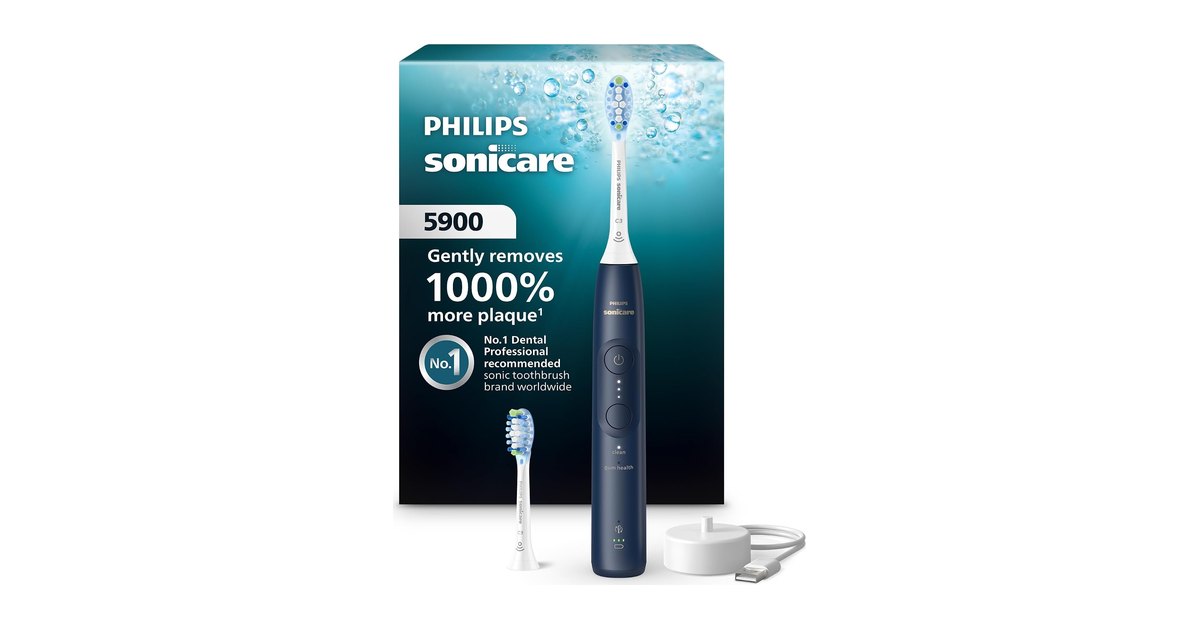
Philips Sonicare 5900
about $90 on Oct 30, 2026
- 7 more days per charge
- $40 dearer up front
- about $77 more over three years
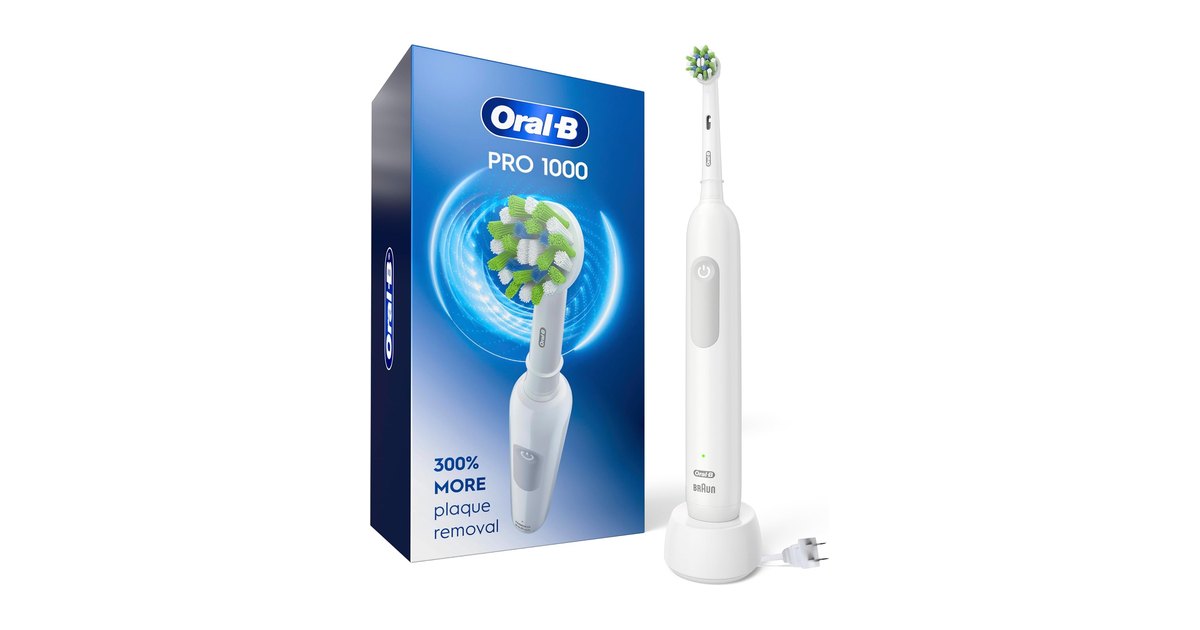
Oral-B Pro 1000
about $50 on Oct 30, 2026
- heads cost $2.23 more each
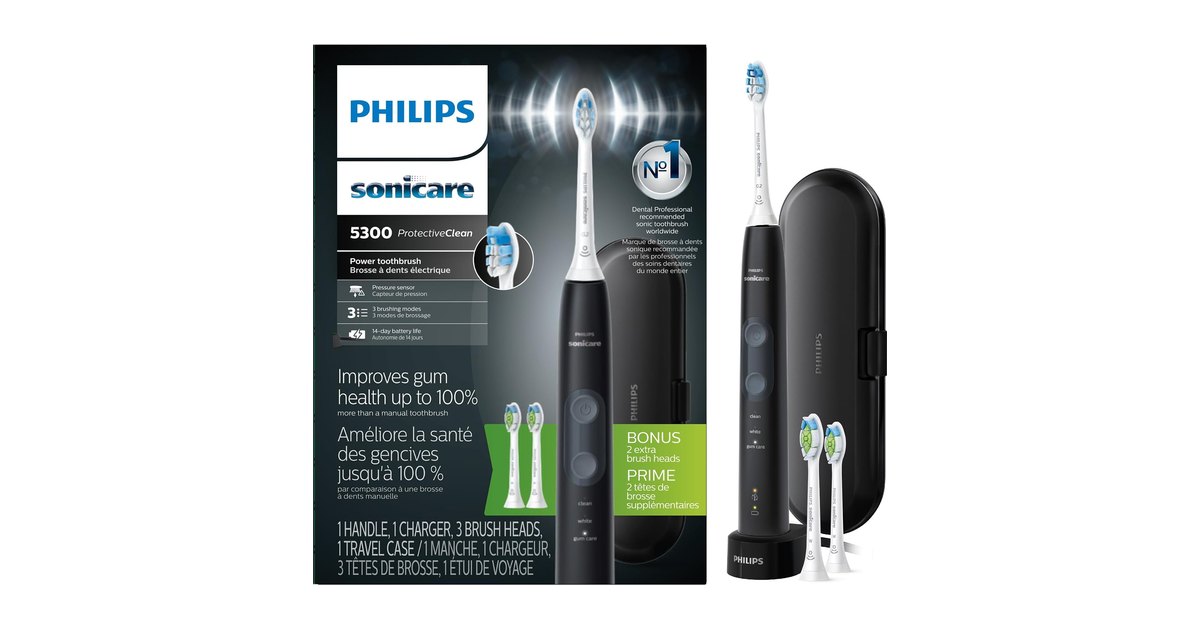
Philips Sonicare 5300
about $75 on Oct 30, 2026
- comes with a travel case
- $25 dearer up front
The one in the shop has a different number. Is it the same brush?
Usually yes. Philips in particular sells one handle under several numbers depending on what is in the box, and a club-store bundle is often the same motor with extra heads.
What we checkedAmazon US sells two Sonicare 4100 versions side by side at the same price: the older HX3681 and the July 2026 HX4031 with three intensities.
Our pick for thisPhilips Sonicare 5300Price
My gums bleed when I brush. Should I stop?
No. Bleeding usually means that edge of gum is inflamed and under-cleaned, and it settles once the plaque at the gum line goes. Give it two weeks of gentle, complete brushing. If it is still bleeding after that, book a dentist rather than buying another brush.
What we checkedSonicare’s Gum Health mode and Oral-B’s Sensitive mode both drop the power rather than change the motion, which is why they feel kinder on a sore gum line.
Our pick for thisPhilips Sonicare 4100Price
Asked and answered
Yes. It’s one of the most widely recommended brushes at any price, with a pressure sensor, three intensities on the 2026 version and a two-week battery.
Sonicare 4100 vs 5100: which should I buy?
In 2026 the more useful comparison is 4100 vs the new 5900. The ProtectiveClean 5100 adds modes and a travel case but uses the same older motor.
Does the Sonicare 4100 have a pressure sensor?
Yes. The handle pulses when you press too hard.
How long does the Sonicare 4100 battery last?
Up to about two weeks of twice-daily brushing, by Philips’ figure.
How do I tell the new 4100 from the old one?
Look for the model number: HX4031 is the July 2026 version with three intensities; HX3681 is the 2021 version.
Does the Sonicare 4100 come with a plug?
No. It has a USB charger, and the power adapter isn’t included.