Dentist-recommended electric toothbrushes, and what that label really means
Dentists don’t agree on a brand, but they agree on features: a two-minute timer, a pressure sensor and a soft head. The Oral-B Pro 1000 and Sonicare 4100 (both about $50) have all three; the iO3 is the upgrade for people who scrub.
Written by Nora Lindqvist. Last checked and updated .
Amazon links on this page are affiliate links: if you buy, we may get a small cut, and your price stays the same. How this site is funded.
Our three, in ten seconds
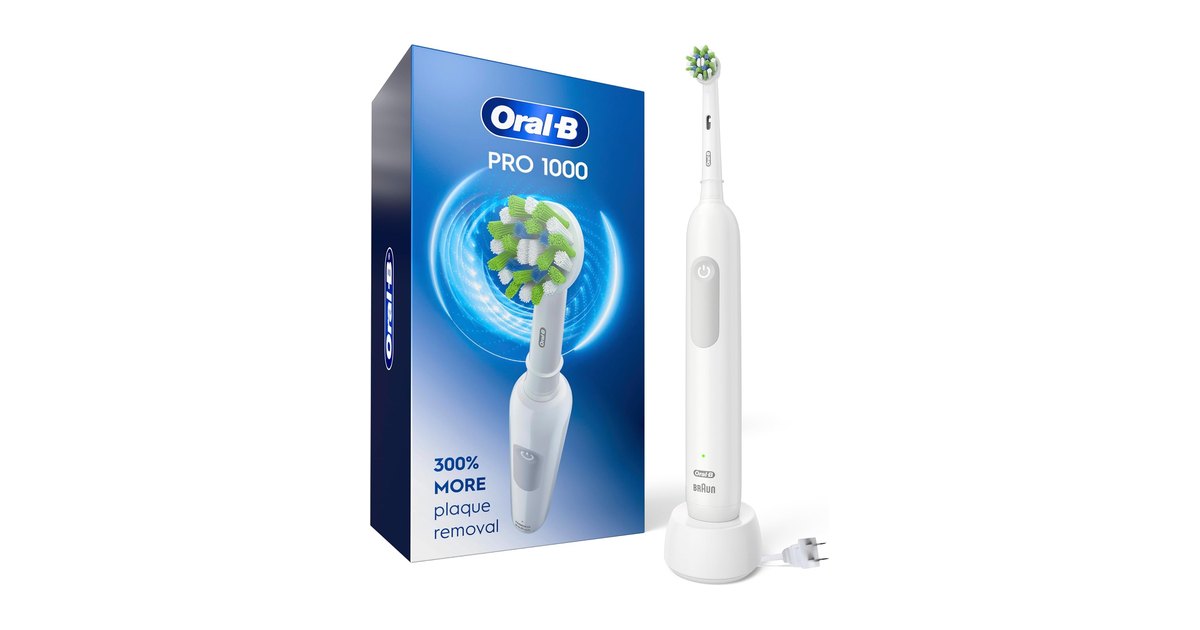 The one dental offices hand outOral-B Pro 1000Simple, effective and ADA accepted.about $50 on Oct 30, 2026Today’s price
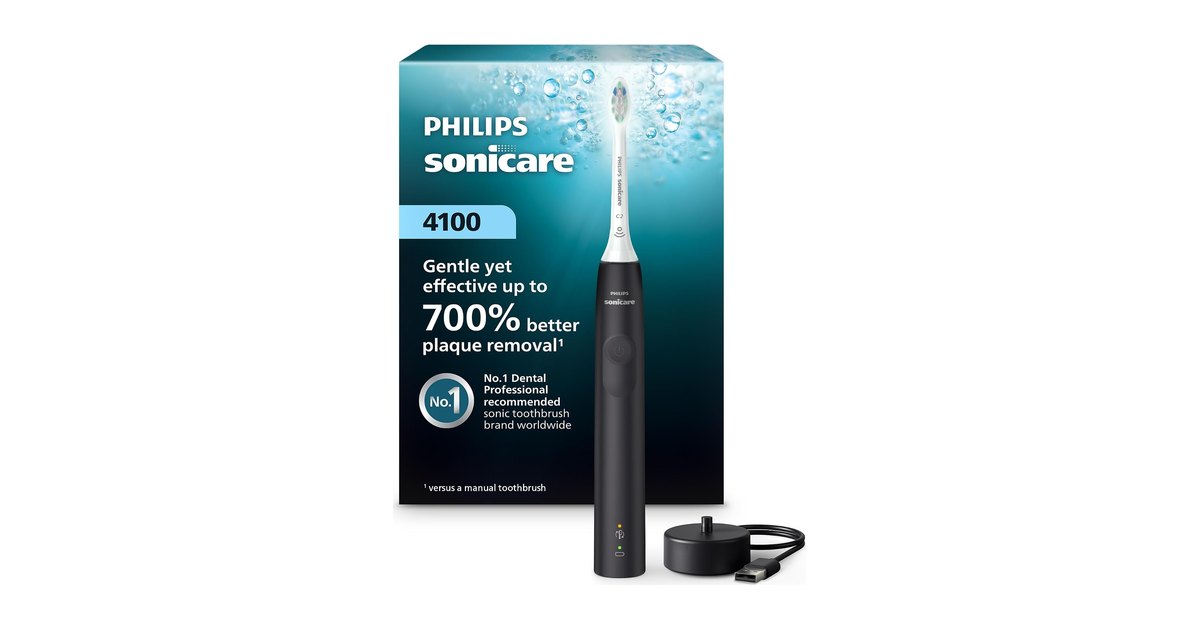 The gentle defaultPhilips Sonicare 4100Simple and gentle: a pressure sensor, a timer, and three intensities on the July 2026 version.about $50 on Oct 30, 2026Today’s price
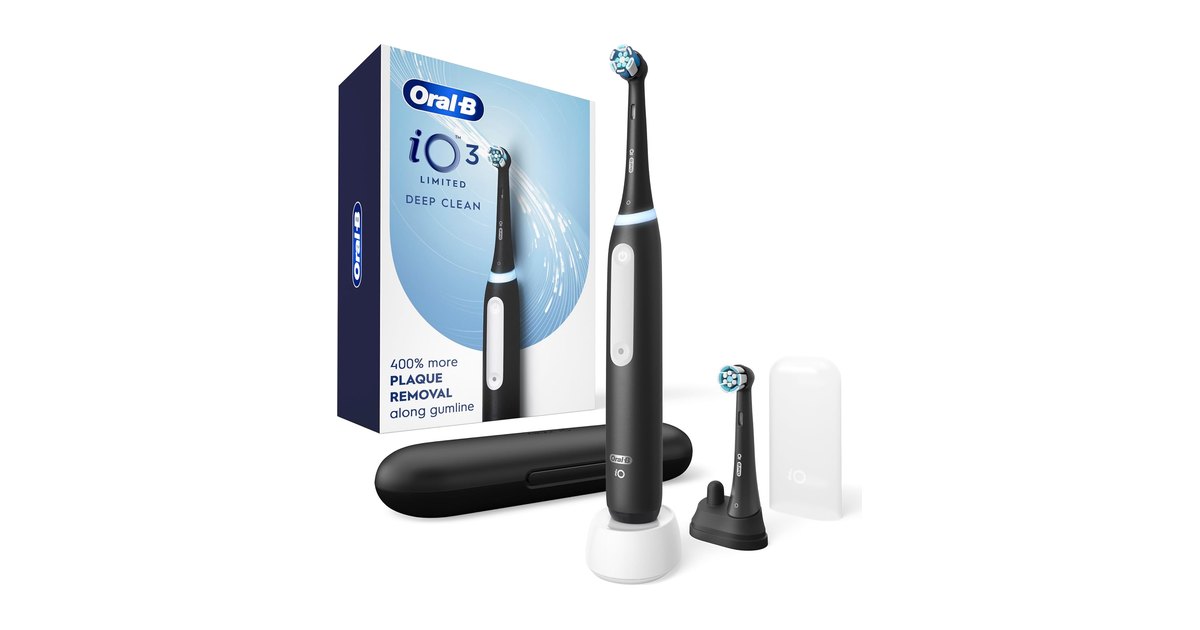 The upgrade we'd suggest to patients who scrubOral-B iO Series 3A visible pressure light is the most “dentist-approved” feature there is, because it corrects the habit dentists see…about $110 on Oct 30, 2026Today’s price
Jump to a section
Toothbrush boxes love the word “dentist.” Oral-B calls itself the brand dentists use most, Philips points to clinical studies, and half the budget brands print a tooth with a tick on the packaging. Those claims come from marketing surveys and company-funded studies, so treat them as advertising.
What dentists and hygienists actually tell patients is far more consistent, and it isn’t about brands:
- Two minutes, twice a day. A built-in timer is the single biggest upgrade for most people.
- Soft bristles, light pressure. A pressure sensor is the easiest way to get there.
- Reach the gumline and the back teeth. Head shape and technique matter more than modes.
- Clean between your teeth. No brush replaces floss or interdental brushes.
- Replace the head every three months. The ADA recommends this for all toothbrushes.
The brushes below meet those criteria at different prices. Several carry the ADA Seal of Acceptance, which means the manufacturer submitted evidence of safety and effectiveness to the American Dental Association.
| Brush | Picked for | Type | Price on Oct 30, 2026 | Buy |
|---|---|---|---|---|
| Oral-B Pro 1000 | The one dental offices hand out | Oscillating-rotating with pulsation | about $50 | Price |
| Philips Sonicare 4100 | The gentle default | Sonic (31,000 movements a minute) | about $50 | Price |
| Oral-B iO Series 3 | The upgrade we'd suggest to patients who scrub | Oscillating-rotating with magnetic iO drive | about $110 | Price |
| Philips Sonicare 5900 | For sensitive mouths | Sonic, Next-Generation drivetrain | about $90 | Price |
| Aquasonic Black Series | ADA accepted on a tight budget | Sonic (40,000 vibrations a minute) | about $40 | Price |
The one dental offices hand out
Oral-B Pro 1000
- Cleaning actionOscillating-rotating with pulsation
- Pressure warningYes: pulsing stops when you press too hard (no light)
- BatteryAbout 1 to 2 weeks
- HeadsClassic Oral-B round heads (CrossAction, Sensitive, 3D White)
- Amazon price, Oct 30, 2026about $50
Simple, effective and ADA accepted. Pressure sensor, timer with 30-second pacing and the cleaning style with the strongest clinical track record. It’s the closest thing to a default dental recommendation.
The gentle default
Philips Sonicare 4100
- Cleaning actionSonic (31,000 movements a minute)
- Pressure warningYes: the handle pulses
- BatteryUp to 14 days
- HeadsC2 Optimal Plaque Control (click-on)
- Amazon price, Oct 30, 2026about $50
Simple and gentle: a pressure sensor, a timer, and three intensities on the July 2026 version. Hygienists often suggest Sonicare for patients with sensitivity or gum recession because it feels gentler.
The upgrade we'd suggest to patients who scrub
Oral-B iO Series 3
- Cleaning actionOscillating-rotating with magnetic iO drive
- Pressure warningSmart sensor: red when too hard, green when right
- BatteryAbout 2 weeks
- HeadsiO heads (Ultimate Clean, Gentle Care, Radiant White)
- Amazon price, Oct 30, 2026about $110
A visible pressure light is the most “dentist-approved” feature there is, because it corrects the habit dentists see damage from most often. The iO3 is the cheapest Oral-B with one.
For sensitive mouths
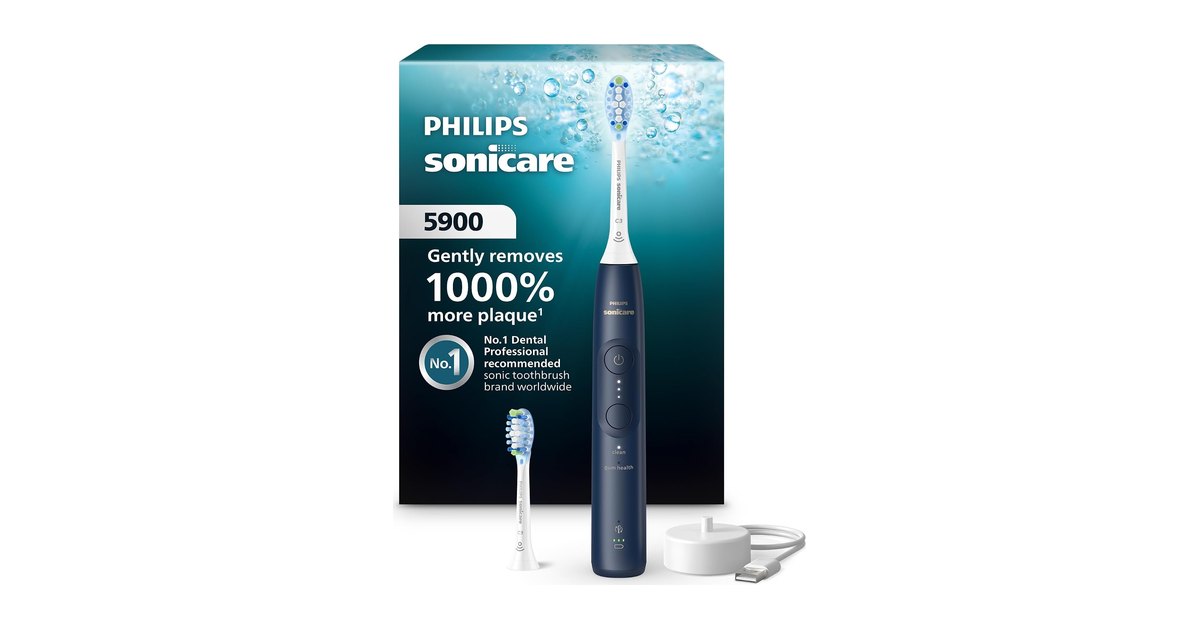
Philips Sonicare 5900
- Cleaning actionSonic, Next-Generation drivetrain
- Pressure warningYes: haptic buzz when you press too hard
- BatteryUp to 21 days
- HeadsC3 Two-in-one (click-on)
- Amazon price, Oct 30, 2026about $90
Three intensity levels mean you can find a gentle setting that still cleans, which is what people with sensitive teeth need.
ADA accepted on a tight budget
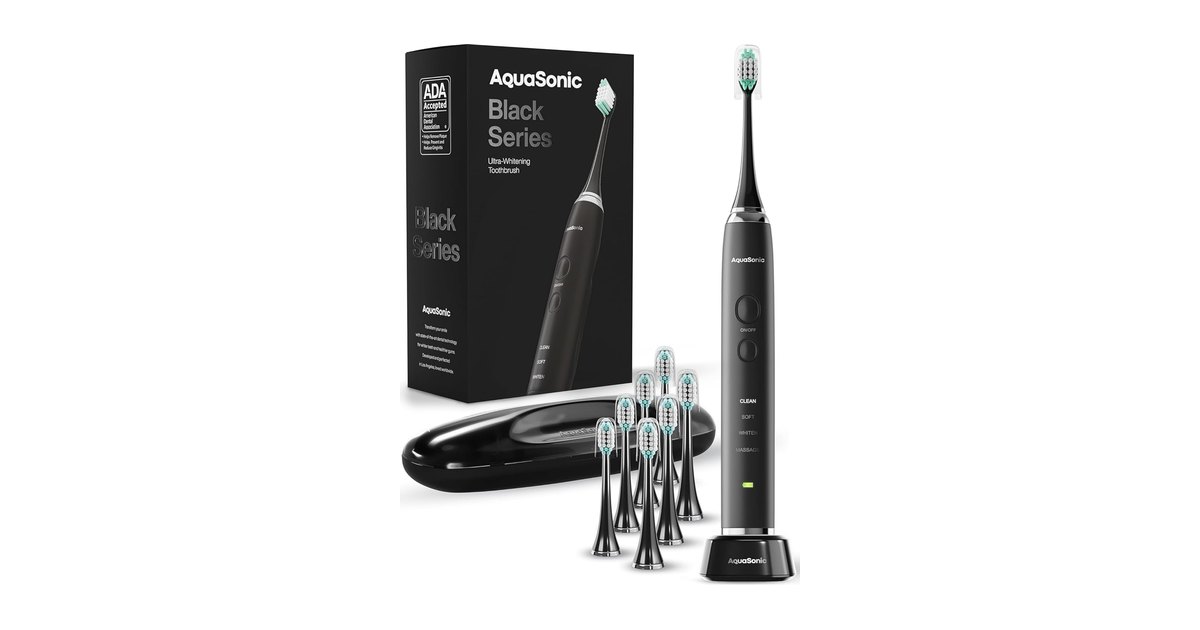
Aquasonic Black Series
- Cleaning actionSonic (40,000 vibrations a minute)
- Pressure warningNo
- BatteryAbout 4 weeks
- HeadsAquasonic DuPont heads (8 in the box)
- Amazon price, Oct 30, 2026about $40
An ADA-accepted sonic brush with eight heads for around $40. No pressure sensor, so it suits people who already brush gently.
Oral-B or Sonicare: which do dentists prefer?
It genuinely splits. In conversations online, a common pattern among hygienists is suggesting Oral-B for patients who build up tartar quickly and Sonicare for patients with gum recession or sensitivity. Research gives oscillating-rotating brushes a small edge in plaque and gingivitis studies, but the gap is modest. A dentist would rather you use either one well than agonise over the choice.
What dentists don’t care about
Seven modes. Colour screens. Apps you’ll stop opening. “Up to 10x more plaque removed” claims, which always compare against a manual brush. Most dentists would trade all of those for a patient who brushes the gumline for a full two minutes.
What “ADA Accepted” covers
The American Dental Association’s Seal of Acceptance means the ADA’s council reviewed evidence that a product is safe and does what it claims, such as removing plaque and reducing gingivitis. Among our picks, the Aquasonic Black Series and Bitvae D2 carry it. Many excellent brushes don’t, simply because the maker hasn’t applied for that model, so treat the Seal as a plus, not a requirement.
What to ask at your next cleaning
Ask your hygienist two questions: “Where am I missing?” and “Am I brushing too hard?” The answers tell you which features matter for you. Misses point toward a brush with a pacer or app tracking; pressing too hard points toward a visible pressure warning. That’s more useful than asking which brand they like.
The checklist, in one place
You want a two-minute timer with a pacer, a pressure sensor (ideally one you can see), a soft head that reaches the gumline, a battery that lasts at least a week, and heads you can easily buy. Everything else, from apps to screens, is optional.
Is it really better than a $3 manual brush?
On average yes, by a modest amount, and the gap is widest for people who rush. The timer is doing as much work as the motor.
What we checkedReviews of the clinical trials put powered brushes ahead of manual ones on both plaque and gum inflammation, with the largest reported effects on the oscillating style.
Our pick for thisOral-B Pro 1000Price
Is a $380 brush actually better than a $50 one?
Not at cleaning. Past a pressure warning and a timer you are paying for a quieter motor, a screen, a charging case and an app. Those are nice. They do not remove more plaque.
What we checkedThe $50 Pro 1000 and the $380 Prestige 9900 use the same two ideas: move the bristles faster than a hand can, and stop you pressing.
Our pick for thisOral-B Pro 1000Price
Asked and answered
Most recommend any reputable brush with a two-minute timer, a pressure sensor and soft heads. The Oral-B Pro 1000 and Philips Sonicare 4100 are the models most often named in practice.
Do dentists recommend electric toothbrushes over manual?
Generally yes. Reviews of clinical trials show powered brushes reduce plaque and gingivitis more than manual brushes, and timers help people brush long enough.
What does ADA accepted mean?
The manufacturer has provided the American Dental Association with evidence that the product is safe and effective as claimed. It’s a useful signal, though not every good brush has applied for it.
Is Oral-B really the number one dentist recommended brand?
That claim comes from Oral-B’s own surveys. It may be true of dentists’ personal use, but it doesn’t mean Oral-B is right for every mouth.
Source: ADA, Toothbrushes.